
Key Points: Google Ads put your HVAC company at the top of search results the day your campaign launches. A well-managed campaign turns urgent searches like “AC not working” into booked service calls, keeping your technicians busy and your revenue predictable month after month.
Why Google Ads Matter for HVAC Companies
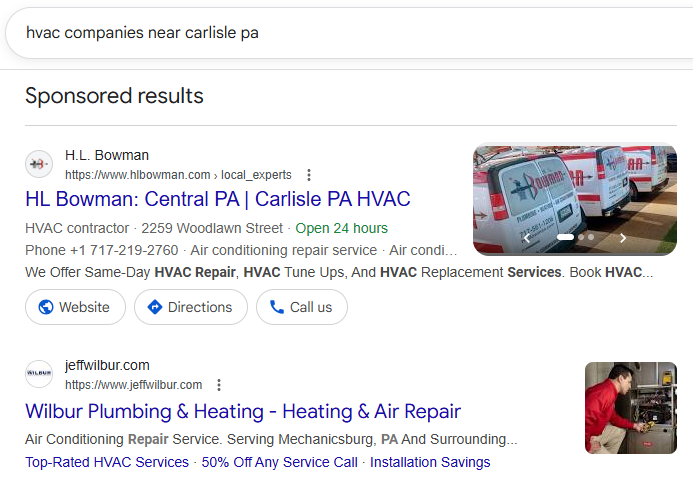
Think about the last time a homeowner’s furnace stopped working in January. They did not flip through a phone book or ask a neighbor. They grabbed their phone and searched. The companies that showed up at the top of those results got the call. The ones buried on page two did not.
That is the core opportunity behind PPC for HVAC companies. The HVAC contracting industry generates over $130 billion annually in the United States, and a significant share of that business starts with a Google search. If your company is not showing up when homeowners need help, a competitor is getting those calls instead.
PPC, or Pay-Per-Click advertising, lets you place your business at the very top of Google search results for the exact services you offer. You only pay when someone clicks your ad, and the people clicking are homeowners who are actively looking to hire. The intent behind those searches is as high as it gets in digital marketing.
The Real Reason HVAC PPC Campaigns Fail
Most HVAC companies that have tried Google Ads and walked away disappointed were not failed by the platform. They were failed by the setup.
Profitable HVAC campaigns require more than turning on an account and throwing money at it. Keyword selection, match types, negative keyword lists, geographic targeting, landing page quality, and call tracking all have to work together. When any one of those pieces is missing, you end up paying for clicks from people who will never call you. DIY searchers, parts shoppers, HVAC students, job seekers, and homeowners three towns outside your service area can burn through a budget fast if the campaign is not built correctly.
The other common problem is hiring a marketing agency that does not specialize in home services. Agencies that serve everyone from law firms to restaurants apply generic strategies to HVAC campaigns. They have to learn what seasonal demand patterns look like for a heating and cooling company, which keywords actually convert, and how homeowners search differently for repairs versus new installations. That learning happens on your budget. At Four Arrows Marketing, we work specifically with contractors, so we already know what works.
PPC vs. SEO for HVAC Companies
When HVAC owners start thinking about digital marketing, the question of PPC versus SEO comes up almost immediately. They solve different problems. PPC gets your business in front of homeowners right now, the day your campaign goes live. SEO builds visibility over time, typically taking three to six months before rankings move meaningfully. Once you get there, those organic leads come in without a cost-per-click attached.
The mistake most HVAC companies make is treating this as an either-or decision. Waiting on SEO to produce results before running ads means leaving revenue on the table for months. Skipping SEO entirely and relying only on PPC means you are always one budget cut away from your phone going quiet.
Running both at the same time produces the best outcomes. PPC fills your schedule while SEO builds in the background. As organic rankings improve, you can pull PPC spending back where you already rank well and redirect that budget toward more competitive services or new markets. Read more about how that long-term strategy comes together in our guide on SEO for HVAC contractors.
Google Ad Types Worth Knowing
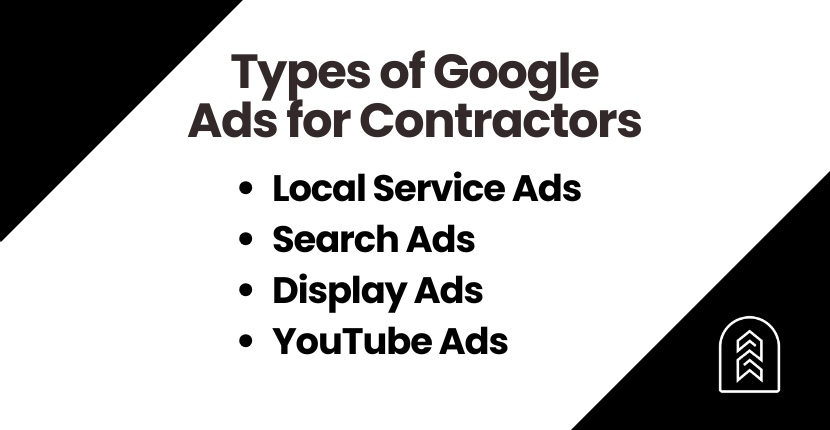
Local Services Ads
Local Services Ads sit at the very top of Google results, above traditional paid ads and above organic listings. They display a “Google Guaranteed” badge, which carries real weight with homeowners who are letting a stranger into their house.
The billing model is different from standard PPC. You pay per lead rather than per click, meaning you are charged when a homeowner actually reaches out through the ad. HVAC is one of the most supported trades for LSAs, and getting Google Guaranteed requires a background check and license verification, which naturally filters out less credible competitors. If you have not set up LSAs yet, start there.
Search Ads
Traditional Search Ads are the text-based results that appear when someone types a specific query into Google. These are the workhorses of HVAC advertising because the searches that trigger them are almost always urgent. Nobody searches “emergency furnace repair” casually. They need help today.
Search Ads are most effective when the ad copy speaks directly to the problem the homeowner is experiencing and the landing page they arrive on matches exactly what they searched for. A homeowner who clicked an ad about AC tune-ups should not land on a general HVAC services page. That disconnect kills conversion rates.
Remarketing Through Display Ads
When someone visits your website and leaves without calling, Display Ads let you follow them around the internet with your company’s ads over the following days. For HVAC companies, this is particularly useful for installation leads. A homeowner shopping for a new heat pump might visit four or five websites before making a decision. Remarketing keeps your company visible while they weigh their options.
For a deeper look at how to combine paid and organic strategies, read our guide on SEO for HVAC contractors.
YouTube Ads
A meaningful number of homeowners turn to YouTube before they hire an HVAC company. A short video showing a system installation, a tune-up walkthrough, or a repair versus replace explainer can build trust with someone who is still weighing their options.
YouTube Ads work best for brand awareness rather than capturing emergency calls, and they pair well with a remarketing strategy targeting homeowners who have already visited your website.
What the First 90 Days Actually Look Like
New advertisers often expect Google Ads to produce results overnight. Here is a more accurate picture of what to expect during the first three months.
Weeks one and two are the campaign’s learning phase. Google’s algorithm is gathering data on which users are clicking your ads and which ones are converting into calls. Performance during this window will not reflect what the campaign is capable of long-term, and making major changes during this period actually resets the learning phase and slows things down.
Weeks three through six are when patterns start forming. Search term reports begin showing you exactly what people typed before clicking. For HVAC campaigns, this phase almost always reveals a batch of irrelevant searches that need to be blocked through negative keywords. Parts searches, DIY repair queries, and job listing searches are common culprits.
Weeks seven through twelve are when optimization compounds. With real data in hand, your campaign manager can tighten bids on high-converting keywords, redirect budget away from low performers, and test different ad copy. HVAC companies that commit to this three-month window typically see cost per lead drop noticeably between month two and month three.
5 Strategies That Make HVAC PPC Campaigns Work
1. Set Your Budget Against Real Business Goals
Before you decide how much to spend, figure out how much each booked job is worth to your business. A tune-up and a full system replacement are very different conversations, so think through your average job value across your entire service mix.
Work backwards from there. If you need 12 new jobs per month and your team books roughly one in three leads, you need around 36 leads. If you are targeting a cost per lead of $90, your monthly budget should be in the range of $3,200. Build the budget around the math, not around what feels comfortable.
2. Block Irrelevant Searches Before You Spend a Dollar
Negative keywords are one of the most important parts of any HVAC campaign, and most companies set up their accounts without a single one. Before your first ad goes live, add negatives that eliminate searches from people who will never become customers. This list should include terms like “DIY,” “how to,” “parts,” “wholesale,” “free,” “careers,” “school,” and “certification.” It should also include any equipment brands or services outside what you actually offer.
Review your search term report every week for the first two months. New negative keywords will surface consistently as Google learns your campaign.
3. Send Every Ad to a Page Built for That Specific Service
Landing page quality is one of the most common reasons HVAC PPC campaigns underperform. Sending a homeowner who clicked an ad for “heating repair in Mechanicsburg” to your general homepage creates friction and costs you calls.
Build a dedicated page for each service you are advertising. That page should have your phone number at the top with click-to-call enabled, since the majority of HVAC emergency searches happen on a mobile device. It should load in under two seconds, feature real customer reviews, and have one clear next step. For guidance on what high-performing HVAC pages look like, CallRail’s conversion optimization resources are a useful starting point.
4. Track Every Call Back to the Keyword That Drove It
Call tracking is non-negotiable for HVAC PPC. Without it, you might know your campaign is generating calls, but you will not know which keywords, which ads, or which landing pages are responsible. That makes it impossible to improve.
Set up dynamic number insertion through a tool like CallRail before your campaign launches. This assigns unique phone numbers to different traffic sources so every inbound call gets attributed to the exact ad that drove it. Connect that data back into Google Ads as a conversion event so the algorithm can optimize toward the outcomes that actually matter.
5. Adjust Spending Around Heating and Cooling Season Peaks
HVAC demand follows a predictable pattern each year. Call volume jumps in late spring when the first hot days arrive and homeowners flip on their AC for the first time. It spikes again in October and November when heating systems fail on startup after sitting idle all summer. And it slows considerably during mild weather months.
Build a seasonal bidding plan before you launch. Allocate more budget to peak months and scale back during slow periods. Running even a modest budget during the off-season helps maintain account history, keeps your Quality Score healthy, and captures the replacement and maintenance agreement leads that come in year-round. According to the Air Conditioning Contractors of America, maintenance agreements are one of the highest-value revenue streams available to HVAC businesses, and those leads are in the market regardless of season.
HVAC PPC Checklist
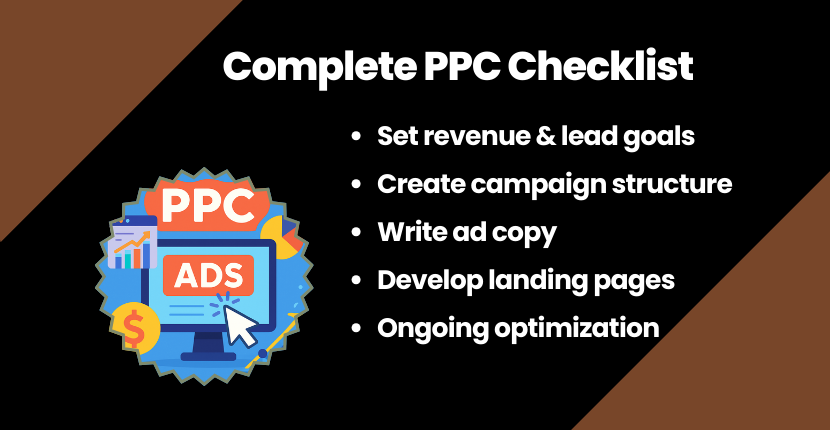
Set Revenue & Lead Goals:
- Monthly lead goal and target cost per lead defined
- Budget calculated from business goals, not guesswork
- Negative keyword list built and reviewed
- Call tracking configured and tested
- Dedicated landing page live for each advertised service
- Conversion tracking connected to Google Ads
Campaign Structure:
- Separate campaigns for repairs, installations, and maintenance
- Ad groups organized by service type and location
- Geographic targeting matched to your actual service area
- Ad scheduling set to your hours, with bid adjustments for after-hours if you offer emergency service
- Local Services Ads active with Google Guaranteed verification completed
Ad Copy and Landing Pages:
- Headlines address the homeowner’s specific problem
- Service area mentioned in ad copy where possible
- Call extensions and location extensions active
- Landing page headline matches the ad
- Click-to-call button visible without scrolling
- Mobile load time under two seconds
- Reviews visible on the page
Ongoing:
- Search term report reviewed weekly
- New negative keywords added as they surface
- Seasonal bids adjusted in advance of peak months
- Monthly performance review covering cost per lead, lead volume, and booked jobs
FAQ: PPC for HVAC Companies
How much should an HVAC company budget for Google Ads?
Most HVAC companies find $1,500 to $2,500 per month is enough to generate a consistent flow of leads in a mid-sized market. Larger markets and highly competitive areas like metro regions may require $3,500 to $6,000 per month to maintain strong visibility. Start at a level where you can collect enough data to optimize, then scale spending as results come in.
Should I run separate campaigns for heating and cooling services?
Yes, and it makes a real difference. Heating and cooling searches happen at different times of year, carry different average job values, and often require different messaging. Keeping them in separate campaigns lets you adjust budgets independently based on seasonal demand, pause one while the other runs hot, and track performance by service line clearly. Mixing them together makes optimization harder and reporting messier.
What keywords actually convert for HVAC PPC?
High-intent service keywords are almost always your best performers. Terms like “AC repair [city],” “furnace not working,” “HVAC company near me,” and “heat pump installation” consistently generate qualified calls. Brand name keywords for manufacturers like Carrier, Trane, and Lennox also convert well when homeowners are specifically researching a replacement. Avoid broad informational terms like “how HVAC works” or “HVAC tips,” which attract curious searchers rather than people ready to hire.
How do I advertise emergency HVAC services on Google?
Emergency service ads require a few specific adjustments. Your ad copy should lead with availability, whether that means same-day service, 24-hour availability, or rapid response time. Bid higher during evening and weekend hours when emergency calls are most common and competitors pull back their spending. Your landing page should make calling as frictionless as possible with a large click-to-call button and minimal form fields. Some HVAC companies also create a dedicated campaign specifically for emergency searches to keep that messaging separate from planned service ads.
How long until my HVAC PPC campaign is profitable?
Most HVAC companies start receiving calls within the first week after launch. Profitability typically develops between months two and three as the campaign learns, negative keywords clean up wasted spend, and landing pages get refined. The companies that see the fastest returns are those who track call outcomes closely, feed that data back into the campaign, and resist the urge to make sweeping changes during the early learning phase.
Do I still need PPC if I already rank well in Google organically?
Running both gives you a significant advantage over competitors who only do one or the other. Paid ads and organic listings can show up simultaneously for the same search, which increases the total percentage of clicks your business captures. It also provides a safety net during periods when organic rankings fluctuate due to algorithm updates. The data collected from PPC, specifically which keywords generate the most calls, is also valuable input for your SEO strategy.
Let’s Get Your Schedule Filled

Unpredictable call volume makes it hard to staff correctly, plan for growth, or feel confident about the months ahead. Google Ads solve that problem by delivering qualified service calls consistently, not just when referrals come through or the season peaks.
Four Arrows Marketing builds and manages PPC campaigns for HVAC companies and contractors across Central PA. Every client gets monthly strategy calls, weekly progress updates, and reporting that shows exactly what the campaign is producing in real numbers.
Schedule a call today and we will walk through what a PPC strategy built for your HVAC company could look like.
–
Written by Adam Gante, Founder of Four Arrows Marketing. Last updated May 2026.
–