
Key Points: Spring fills up fast for landscaping companies. Homeowners start requesting quotes in February and March, and the best crews are booked out by the time most people realize the season has started. Google Ads puts your business in front of those homeowners at the exact moment they are ready to reach out, before they fill out a competitor’s contact form. For landscapers who want a more predictable pipeline instead of relying entirely on word of mouth, paid search is one of the most direct ways to get there.
Why Landscaping Is a Strong Fit for Google Ads
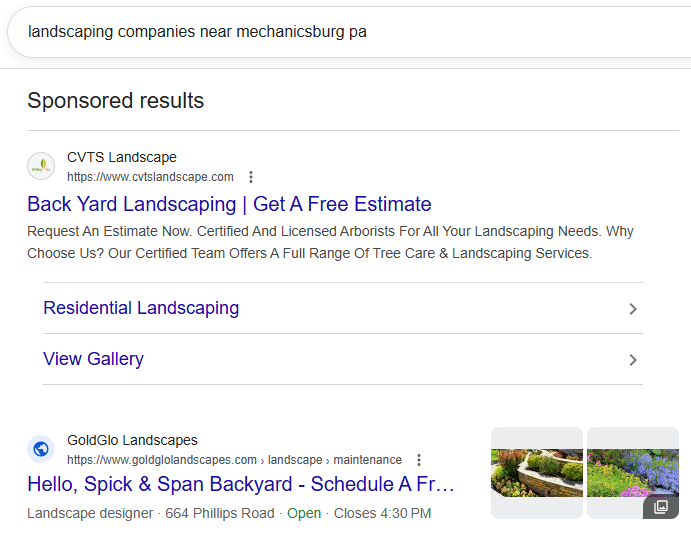
Most landscaping leads start with a very specific need. A homeowner just bought an older property with a drainage problem that floods the backyard every time it rains. A property manager has a contract renewal coming up and needs a new vendor fast. A family wants a patio and outdoor kitchen finished before summer. Every one of those people is going to Google, and they are clicking on one of the first few results they see.
The National Association of Landscape Professionals reports that the landscaping industry generates over $100 billion annually, with residential services making up a significant share of that volume. Steady demand across lawn care, hardscape, and design work exists in virtually every regional market, and that demand is being searched for online every single day.
The landscapers capturing that demand consistently are not necessarily the best in the market. They are the ones showing up at the top of search results when a motivated buyer goes looking. Paid search is what puts you there.
Our PPC services for contractors page goes deeper on how we build and manage campaigns if you want more context before continuing.
What Goes Wrong When Landscapers Run Google Ads on Their Own
Landscaping companies try Google Ads, spend a few hundred dollars over a couple of months, and quietly give up. This happens regularly, and in most cases the problem is not the platform. The problem is how the campaign was set up.
Keyword selection is where most campaigns fall apart first. Landscaping attracts a wide range of searches, and a large percentage of them have nothing to do with hiring a contractor. People searching for “how to lay pavers,” “best grass seed for shade,” or “landscaping ideas for small yards” are doing research, not shopping. A campaign that serves ads to those searches alongside searches like “landscaping company near me” will exhaust its budget quickly without producing meaningful leads.
The second problem shows up after the click. Sending paid traffic to a homepage that introduces your company, lists every service, and asks people to scroll through photos before finding a contact form is a fast way to waste money. The homeowner who clicked because they wanted a retaining wall quote is not going to dig around to confirm you build them. They will leave and try the next result instead.
At Four Arrows Marketing, we focus exclusively on contractors, which means our campaigns are built around the way people actually search for trade services, not general marketing principles borrowed from other industries.
Running Paid Search and SEO at the Same Time
A lot of landscaping owners ask whether they should spend money on Google Ads or invest that same budget into SEO. In most cases, the right answer is both, and understanding why makes the decision a lot clearer.
Search engine optimization builds long-term visibility. Ranking organically for terms like “hardscape contractor” or “lawn care service” in your area drives consistent traffic without paying per click, but building those rankings typically takes anywhere from six months to over a year depending on the competition. That timeline does not work well for a business that needs leads now.
Paid search produces results right away. A properly built campaign can start generating calls within the first week or two. It also gives you data about your market that is difficult to learn any other way. You can see exactly which services get searched most often in your area, which locations convert, and which ad messages get clicks. That information feeds directly back into your SEO strategy and helps you decide where to focus your content efforts.
According to Search Engine Land, businesses that run paid and organic search together tend to see stronger overall performance than those relying on either channel alone. For landscaping companies in a competitive market, that combination is often the difference between a full schedule and open slots on the calendar.
The Ad Formats Worth Paying Attention To
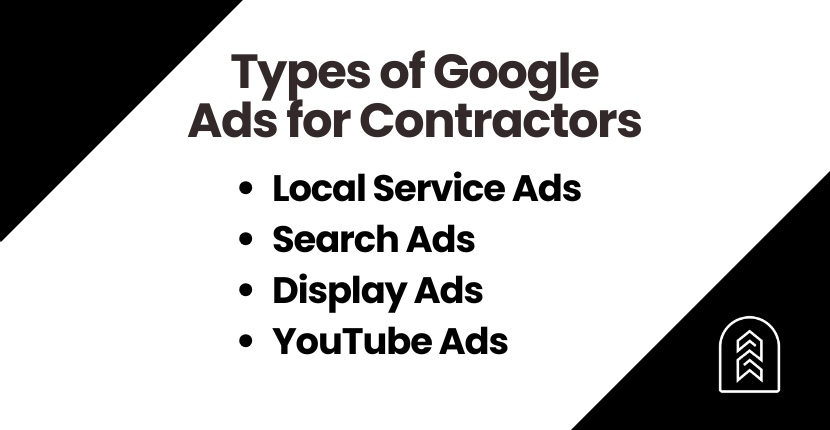
Local Services Ads
These appear at the very top of Google search results, above paid text ads and above the map pack. They display your business name, your review rating, and a Google Guaranteed badge that signals to homeowners your company has cleared background checks and licensing verification. For a service where someone is inviting a crew onto their property, sometimes without being home, that credibility marker carries real weight. You pay per lead rather than per click, which makes the cost easier to justify for competitive searches.
Search Ads
Search Ads are the clickable text results that appear when someone types a query into Google. These tend to drive the most valuable traffic for landscaping companies because the searches are specific and the intent is high. Someone typing “patio contractor near me” or “lawn care company” followed by their city has already decided to hire. The question is which company they call first.
The campaigns that perform well are the ones where the ad and the landing page are tightly connected. A homeowner searching for irrigation installation should land on a page built around irrigation, not a general overview of everything your company offers. That tight alignment between the search, the ad, and the destination page is what turns clicks into phone calls.
Display Ads
Not every landscaping project moves quickly. Outdoor living builds, full landscape redesigns, and commercial contracts often involve a research and comparison phase that stretches over several weeks. Display Ads keep your company visible across the websites a prospective customer visits during that window. This format tends to work best for higher-ticket projects where the buyer is taking their time, and it pairs especially well with retargeting people who have already visited your website without reaching out.
YouTube Ads
Video gives potential customers something a text ad simply cannot: a real look at how you work. A short clip showing a backyard transformation from start to finish, or walking a viewer through what your design consultation looks like, builds familiarity before you ever speak to someone. Paired with a retargeting strategy, YouTube Ads can be a strong way to stay top of mind for homeowners who are still weighing their options.
What the First Three Months Actually Look Like
Expect the first few weeks to feel slow. Google needs time to gather data on who is clicking your ads, how long they stay on your pages, and which searches are producing genuine interest. Making too many changes too early interrupts that learning process and delays useful results.
By weeks three and four, the search term report becomes your most valuable tool. It shows every query that triggered one of your ads, and there will be surprises. Searches related to landscaping job listings, lawn equipment rentals, wholesale nursery pricing, and DIY planting guides regularly appear in campaigns that have not been properly filtered. Removing those with negative keywords is one of the highest-return activities in the early months of running any campaign.
The 90-day mark is when real optimization decisions become possible. By then, you have enough data to see which services are generating leads, which locations are responding, and where your budget is doing the most work.
5 Habits of Landscapers Who Get Results from Google Ads
1. Know what a lead is worth before setting a budget
Weekly lawn maintenance accounts and full outdoor living builds represent very different revenue. Before setting a monthly ad budget, get clear on your average job value across all the work you book. That number is your anchor for every spending decision. Without it, there is no way to know whether you are investing enough to be competitive or more than the work actually justifies.
2. Build a negative keyword list before the campaign goes live
Every landscaping campaign needs filters in place from day one. Without them, terms like “landscaping apprenticeship,” “lawn mower repair near me,” “how to install a retaining wall,” and “wholesale mulch suppliers” will eat into your budget. Review the search term report every week during the first two months. New irrelevant searches will keep surfacing as the campaign runs, and catching them early makes a measurable difference in efficiency.
3. Send every ad to a page built for that specific service
A homeowner who clicked an ad for drainage solutions is not going to scroll through a page that also covers lawn mowing, leaf blowing, and seasonal cleanups. Each core service in your campaign should have a dedicated landing page that speaks directly to that project, includes photos of your actual work, shows relevant reviews, and makes it easy to request a quote. General pages underperform because they put the burden on the visitor to figure out if you are the right fit.
4. Track every phone call back to its source
Most landscaping leads come in by phone rather than a contact form. Without call tracking, there is no visibility into which keywords and ads are producing real revenue versus which ones are burning budget. Tools like CallRail assign unique tracking numbers to each campaign source so every inbound call can be traced back to what generated it. That attribution data is what makes informed budget decisions possible.
5. Adjust spending based on the season
Landscaping demand is seasonal, and your budget should move with it. Spring cleanup and mulching requests surge early in the year. Hardscape and outdoor living projects peak in late spring as homeowners start planning for summer. Fall brings another wave of cleanup, aeration, and overseeding calls. Increasing your budget during these windows and pulling back during slower stretches keeps your cost per lead in a range that makes sense all year long.
FAQ: PPC for Landscapers
Can Google Ads help me book more recurring maintenance contracts, not just one-time jobs?
Yes, and this is an underused opportunity for most landscaping companies. Recurring maintenance clients are worth significantly more over time than one-time project customers, and campaigns can be built specifically to attract them. The key is targeting searches with ongoing service intent, such as “weekly lawn care service” or “lawn maintenance company near me,” and sending that traffic to a landing page that lays out your packages, what is included, and how easy it is to get started. Positioning the first visit as a free assessment or discounted first service can also lift conversion rates for this type of campaign.
Should I run separate campaigns for residential and commercial landscaping?
Yes, without question. A facilities manager responsible for a commercial property and a homeowner planning a backyard renovation are searching differently, reading with different priorities, and making decisions based on completely different criteria. A single campaign trying to speak to both audiences will write mediocre ads for each and make it nearly impossible to measure what is actually working. Separate campaigns with separate budgets and dedicated landing pages allow you to optimize each audience properly and understand which side of the business your ad spend is actually growing.
How do reviews affect how my Google Ads perform?
More than most landscapers expect. Google uses your review count and average rating as part of how it evaluates your Local Services Ads, and higher-rated businesses tend to get better placement at a lower cost. Beyond the algorithm, homeowners deciding which company to call will almost always check your reviews before picking up the phone. A strong review profile with specific, detailed feedback from real clients does meaningful work inside a paid campaign. If your review count is low, building that up alongside your ad campaign will improve performance over time. The Google Business Profile Help Center has practical guidance on how to request and manage reviews.
What should my landing page include to convert more paid traffic?
At minimum, a landing page needs a clear headline that matches what the ad promised, a short description of the service, photos of actual completed work, two or three specific customer reviews, your service area, and a single clear call to action such as a phone number or a short quote request form. Pages that try to cover too much or that bury the contact option below a long scroll tend to underperform. The goal of the page is not to tell the whole story of your business. It is to give one type of customer enough confidence to reach out.
Ready to Build a More Consistent Lead Pipeline?
A full schedule does not happen by accident. The landscapers who stay busy year after year are not always the ones doing the best work. They are the ones making sure the right people can find them at the right time.
Four Arrows Marketing works exclusively with contractors, and every client receives monthly strategy calls, weekly updates, and transparent reporting that connects ad spend directly to leads and revenue. If you want to talk through what a paid search strategy could look like for your landscaping business, schedule a call today.
–
Written by Adam Gante, Founder of Four Arrows Marketing. Last updated May 2026.
–